
Loading...
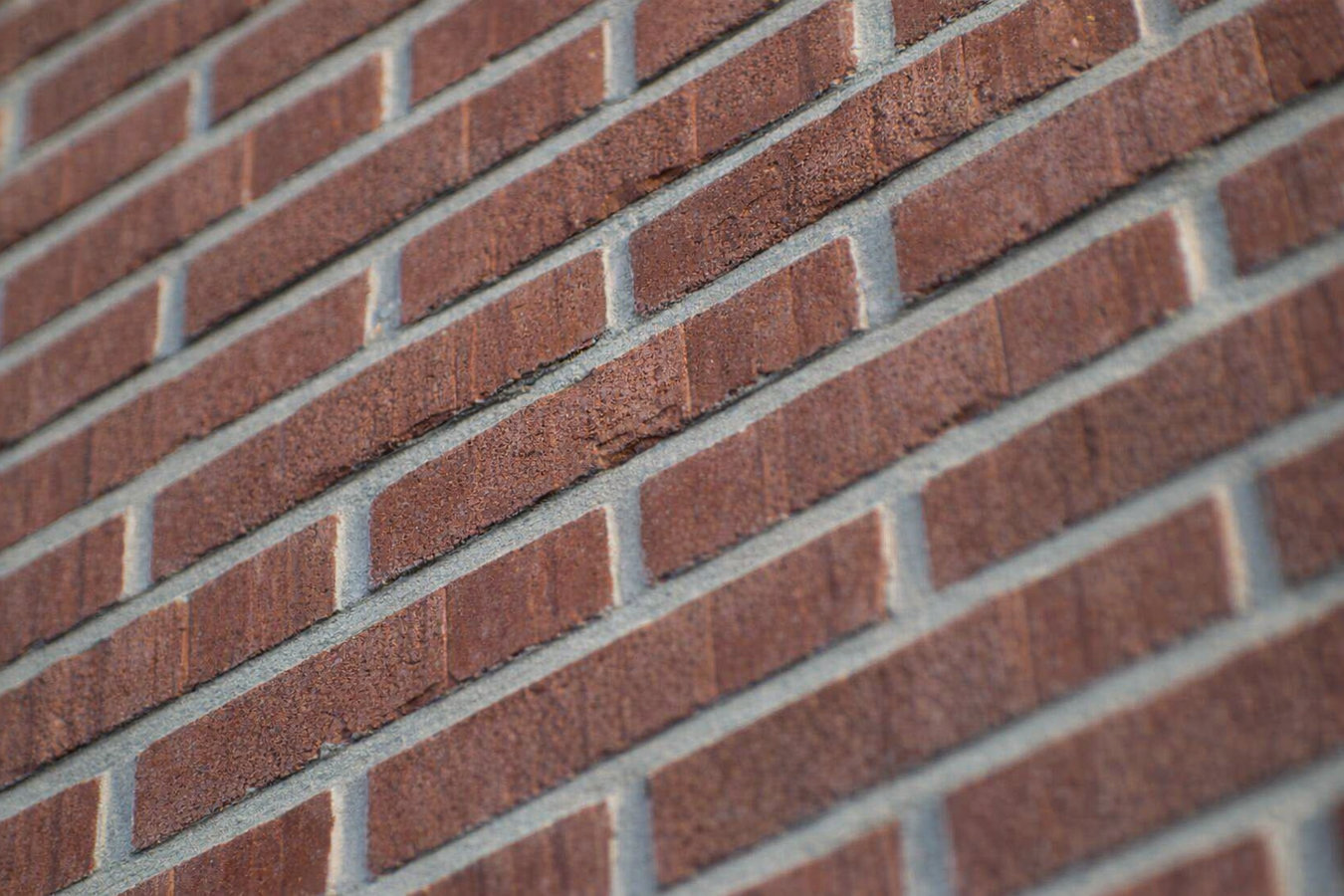
Tyler's clay soil and heavy spring rains eat through mortar joints faster than most homeowners expect. We repoint brick walls and chimneys using mortar matched to your existing brick - so the repair holds instead of cracking your bricks from the inside out.
Brick pointing in Tyler means carefully removing deteriorated mortar to a depth of about three-quarters of an inch, cleaning out the joint, and packing in fresh mortar matched to your existing brick - most residential projects on a single wall or chimney take one to two days, and properly done work lasts 20 to 30 years even with Tyler's clay soil movement and heavy spring rainfall.
The mortar joints between bricks are designed to be the sacrificial layer in a wall - softer than the brick, so they absorb movement and moisture before the brick itself cracks. In Tyler, where clay soil shifts with every rain cycle and the climate pushes mortar through repeated cycles of expansion and contraction, original joints on homes built before 1985 have often exceeded their useful life. A home in the Azalea District or Bergfeld Park area that has never had its mortar touched is almost certainly overdue.
Brick pointing is a maintenance service - but when the damage is significant, or when bricks themselves have shifted or cracked, the work crosses into foundation repair or masonry restoration territory. A good mason will tell you honestly which category your project falls into before any work starts.
Look at the lines between the bricks on your exterior wall. If those lines look recessed, crumbly, or show visible gaps - even small ones - the mortar is failing. In Tyler's wet climate, even a small gap is an open door for water to get behind the brick and cause damage you cannot see from the outside. The longer it sits, the more expensive the fix.
White chalky streaks or patches on brick - called efflorescence - are a sign that water is moving through the wall and carrying mineral salts to the surface. In Tyler, where heavy spring rains are common, this is one of the earliest visible warnings that mortar joints are no longer keeping water out. It does not mean the wall is ruined, but it does mean the joints need attention soon.
If you see water staining on an interior wall that backs up against exterior brick, failing mortar joints are one of the most common causes. Tyler's rainfall means water has plenty of chances to find its way through compromised joints. Acting quickly here is important - water behind a wall causes mold and structural damage that costs far more to fix than a pointing job.
Given Tyler's clay soil movement and humid climate, original mortar on a home 40 or more years old has almost certainly reached the end of its useful life - even if it does not look obviously damaged. Tyler has a large housing stock from the 1950s through 1980s, and many of those homes have never had their mortar touched. A quick visual check by a mason can tell you whether you are ahead of the problem or already behind it.
We repoint mortar joints on home exteriors, chimneys, garden walls, and brick structures of all ages - but the mortar selection step is what separates a repair that protects your home from one that quietly damages it. Brick homes from Tyler's postwar decades - common throughout the Azalea District and older South Tyler neighborhoods - were often built with softer brick and flexible lime-based mortar. Using a modern, harder mortar on those homes forces stress into the brick faces rather than the joint, and within a few years the bricks themselves start to crack and spall. We assess the age and composition of your brick before choosing a mortar mix, and we explain our reasoning to you before we start. The Brick Industry Association provides guidance on mortar compatibility that we follow on every pointing job. For projects where moisture intrusion has already affected adjacent masonry, we can combine pointing work with foundation repair to address the underlying cause in the same visit.
We handle both spot repairs - addressing only the sections of a wall that genuinely need work now - and full-surface repointing when the entire wall has reached the end of its useful life. If your project includes a chimney, we bring the scaffolding. We also assess whether any bricks themselves are compromised and need replacement alongside the pointing work. When the job points toward something more involved than surface maintenance, masonry restoration may be the more appropriate scope.
For homeowners with aging or damaged mortar joints on a home exterior, garden wall, or boundary wall that need to be sealed before water intrusion worsens.
For homeowners with a chimney showing crumbling joints, white staining, or visible gaps - especially before the wet season arrives.
For homeowners whose wall is mostly sound but has specific sections showing early failure that need attention now to prevent further damage.
For homeowners who have had foundation work done and need the affected mortar joints repaired as part of the follow-through.
Tyler averages over 46 inches of rain per year, and the clay soil beneath most homes expands with every wet period and contracts again through dry spells. That constant back-and-forth works on mortar joints year after year - and it is one of the reasons homes in Tyler often need repointing 20 to 25 years after construction rather than the 30 to 50 years you might expect in a drier climate. Tyler also has a significant housing stock from the 1950s through 1980s - brick homes in older neighborhoods like the Azalea District and Brick Streets that are now 40 to 70 years old and well past the point where original mortar joints need attention. Many of those homes have never had their joints touched. The Texas A&M AgriLife Extension documents the regional soil conditions that drive this pattern across East Texas.
Spring booking slots for masonry work across East Texas fill up fast - particularly in Tyler, where exterior project demand peaks before the rainy season. Homeowners in Longview and Gladewater face the same clay soil and seasonal rain patterns and often have the same pointing timeline as their Tyler counterparts. We serve the full East Texas region and bring the same mortar-matching process and local soil knowledge to every job.
Describe your situation and send a photo of the wall if you can. We will tell you whether what you are seeing is a straightforward pointing job or something that warrants a closer look before we quote it. No obligation on the first call.
We walk the wall with you, check how deep the damage goes, look for signs of water intrusion or soil movement, and assess whether any bricks themselves are compromised. A written estimate follows within a day or two - with a clear description of what work will be done and the total cost.
Mortar cures best in moderate temperatures - spring and fall are the sweet spots in Tyler. If your project is urgent, we will work within the season you have and adjust our methods accordingly. For projects booked in winter or summer, we will explain any additional steps we take to protect mortar quality.
Old mortar is ground out to proper depth, new mortar is packed in and shaped to match your existing joints, and the brick faces are cleaned before the crew leaves. We walk the finished work with you and address anything that does not look right before we sign off.
Free estimate. Written quote before work starts. Spring slots go fast - reach out now.
(430) 247-0059Using mortar that is harder than your existing brick is one of the most common and damaging shortcuts in the industry. When the mortar is harder than the brick, it forces stress into the brick faces instead of the joint - and within a few years the bricks themselves crack and spall. We assess the age and composition of your brick before selecting a mortar mix and explain the reasoning to you before we start.
A large share of Tyler's brick homes were built between the 1950s and 1980s, and the older brick used in that era requires a softer, lime-based mortar to match. We have worked on homes in Tyler's established neighborhoods and know what those walls need. That is not a detail you want to discover after the wrong mortar has been packed in.
We will assess the full wall and tell you honestly which areas genuinely need attention now versus which ones can wait. In Tyler, clay soil tends to stress joints unevenly across a wall, so catching a few weak spots during the same visit is much cheaper than scheduling a second project a year later. We never push unnecessary work.
Tyler's expansive clay soil is one reason mortar joints fail faster here than the national average suggests. We factor that into our assessment of how much work your wall actually needs and how long a fresh job will last given your specific site conditions. Homeowners who want to understand the soil connection to their maintenance schedule get a straight answer from us.
Every brick pointing job we do in Tyler comes with a written estimate and a walkthrough at the finish. You know exactly what you are getting before a single joint is touched.
Address the clay soil movement that drives mortar joint failure before the next pointing job is needed.
Learn MoreFull restoration of aging brick and stone exteriors when pointing alone is not enough to bring the surface back.
Learn MoreWaiting until the rainy season starts means your walls are already letting water in - call today and get on the schedule before peak season is gone.