
Loading...
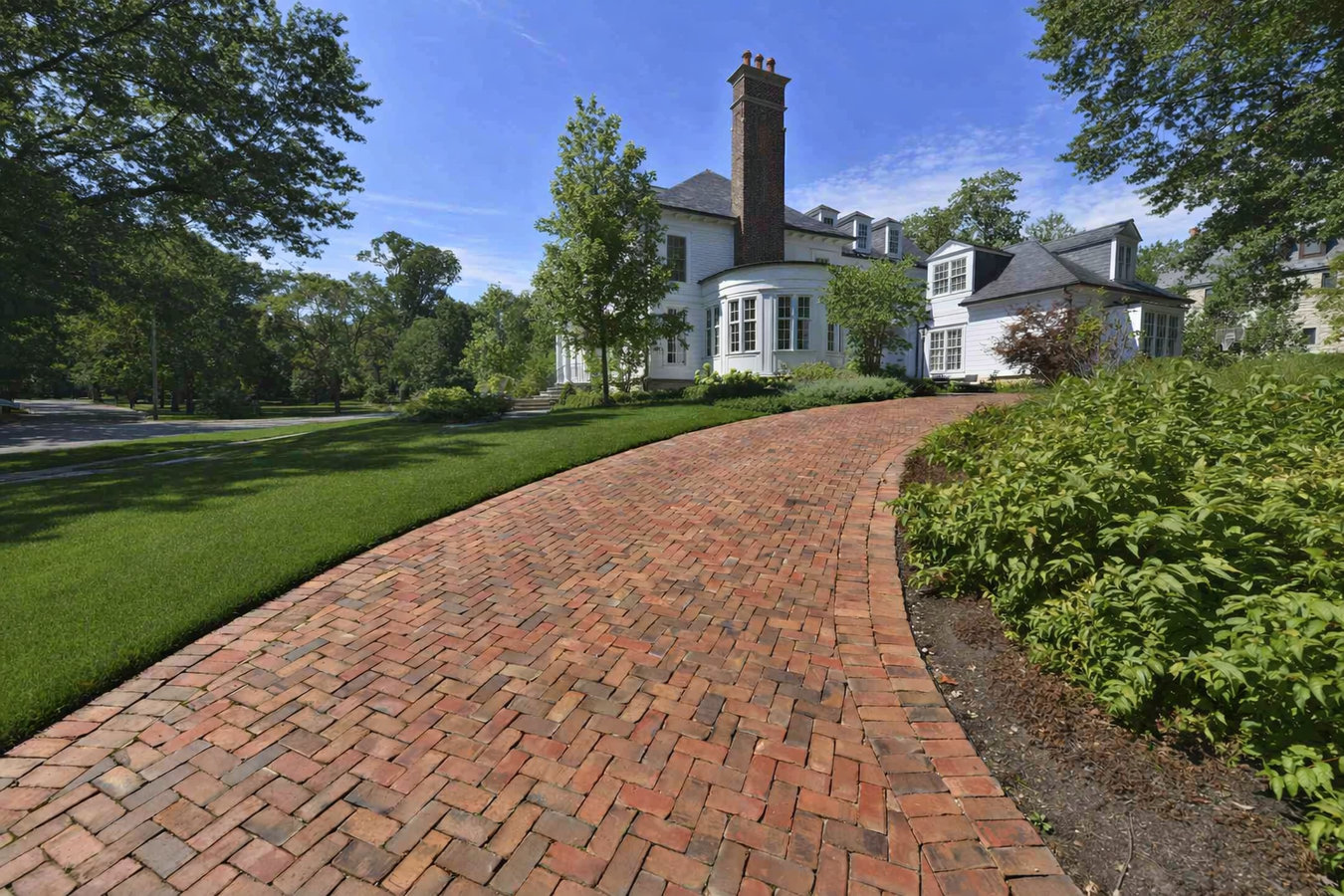
Cracked slabs and sunken pavers happen when the base is wrong. We build walkways on properly prepared ground so they hold up through Tyler's clay soil shifts, heavy rains, and summer heat - and keep guests safe from day one.
Walkway construction in Tyler means marking the path, digging down several inches to remove soft soil, compacting the subgrade, laying a gravel base, and installing your chosen surface - most residential jobs take one to three days from first shovel to finished edge, depending on length and material.
In Tyler, where the soil is a heavy clay mix that swells with rain and shrinks during dry spells, what happens underground is more important than the surface material you pick. A properly prepared base is what keeps the path from cracking or sinking over time. Most homeowners who end up with a failed walkway within a few years can trace it back to a contractor who skipped the gravel sub-base or did not compact the ground first.
A new walkway fits naturally alongside other exterior masonry work. Homeowners who want a finished look from the driveway to the front door often pair their walkway with driveway pavers in a matching material, or add a low brick wall along the path edge for definition and curb appeal.
If you can see cracks running across your walkway, or if one section sits noticeably lower than the next, the base underneath has shifted. In Tyler's clay soil, this kind of movement is common and tends to get worse over time - not better. A sunken section is also a trip hazard, especially after dark or in wet weather.
Tyler gets roughly 46 inches of rain a year, and if water sits on your walkway for more than a few minutes after a storm, the drainage slope is off. Standing water accelerates surface wear, makes the path slippery, and - if it is near your house - can work toward your foundation. Either the original installation was off, or the ground has shifted enough to change the drainage angle.
If you live in one of Tyler's older neighborhoods with large shade trees, you may notice sections of your walkway tilting or rising unevenly. This is almost always root pressure from below. Once roots start lifting a slab, patching the surface will not fix the problem - the underlying cause has to be addressed as part of any new installation.
If guests are walking across your lawn to reach your front door, or if you have worn a muddy track between the driveway and a side entrance, that is a practical signal that a walkway would genuinely improve your daily life. A defined path also protects your lawn from foot traffic and keeps mud from being tracked inside - especially relevant during Tyler's wet spring season.
We install poured concrete walkways, brick and concrete paver paths, and natural stone walkways - including flagstone and limestone options that hold up well in East Texas clay. Every project starts with the same base preparation regardless of the surface material you choose: excavation to stable soil, subgrade compaction, and a crushed gravel layer that absorbs seasonal ground movement. We also handle drainage slope as part of the design, not as an afterthought, so water moves away from your home after every storm. For homeowners with large trees nearby, we assess root proximity before layout and can recommend paver or jointed designs that flex rather than crack. Projects that extend to the street may include a complementary driveway pavers installation in the same session.
We also handle walkway repair - lifting and resetting sunken sections, filling cracks, and re-grading drainage on paths that have shifted over time. Some homeowners come to us for a repair and end up replacing the whole path once they see how much of the base was compromised. If you are not sure which approach makes sense, we will give you a straight answer after looking at the site. Larger yard projects often pair a new walkway with a low brick wall along the path edge to define the space and add long-term structure.
The most affordable and lowest-maintenance option - suited for homeowners who want a clean, durable path with minimal upkeep.
Best for homeowners who want a classic look and the ability to repair individual sections if one piece cracks or shifts.
Flagstone and limestone options for homeowners who want a distinctive look - mortared installation handles Tyler soil movement well.
For existing paths with sunken sections, cracked surfaces, or drainage that has shifted and is sending water the wrong direction.
Tyler sits near the eastern edge of Texas's shrink-swell clay belt. The soil expands when it absorbs water and contracts when it dries out, and that cycle puts constant pressure on anything sitting on top of it. A contractor who skips the gravel sub-base or does not dig deep enough is setting your walkway up to crack within a few years - regardless of how good the surface material looks on day one. The Portland Cement Association recommends a well-compacted sub-base for all residential flatwork - guidance that matters especially in East Texas clay. Tyler summers also push regularly into the mid-90s, which means freshly poured concrete can dry too fast on the surface before it fully hardens underneath, causing early surface cracks. Scheduling pours for early morning and using curing methods appropriate for the heat makes a real difference in the finished product.
Many of Tyler's established neighborhoods - including older areas of South Tyler - have large mature oaks and pines whose roots can lift a solid slab over time. We assess tree proximity on every project before any layout decisions are made. Homeowners in Whitehouse and Mineola deal with the same clay soil conditions, and we bring the same base preparation standards to every job we take on across the region.
Reach out by phone or the contact form and we get back to you within one business day. We will ask about the path you have in mind, what is there now, and where you want water to drain - a 10 to 15 minute conversation before any commitment.
We come out, walk the area with you, take measurements, and talk through material options. You will leave this conversation knowing exactly what we plan to do, why, and what it will cost - before we touch anything. We also confirm permit requirements upfront so there are no surprises.
The crew excavates to stable soil, compacts the subgrade, and lays the gravel base before any surface material goes down. Most residential walkway projects are completed in one to two days. Texas 811 utility marking happens before any digging starts - this is required by state law.
Once the work is done, we clean the site and walk you through the finished path - showing you the drainage direction and explaining when it is safe to walk on the surface. If it is concrete, stay off it for at least 24 hours and expect full strength to develop over the following weeks.
Free estimate. No pressure. We will come out, look at the site, and give you a written quote you can compare at your own pace.
(430) 247-0059Every walkway we install starts with proper excavation, subgrade compaction, and a crushed gravel layer - the work that happens before anything visible goes down. Tyler's clay soil demands this. Contractors who skip it are building something that will crack in a few seasons, and we are not interested in callbacks.
We set the drainage slope during layout, not as an afterthought. That means water from Tyler's heavy spring storms moves away from your foundation the way it should. We show you the drainage direction before we leave and explain what to look for after each heavy rain.
We work in Tyler neighborhoods regularly and know the soil, the tree species, and the seasonal patterns that affect how masonry performs here. When you call, you talk to someone who has poured concrete in East Texas heat and knows what it takes to get the result right. The Mason Contractors Association of America maintains industry standards we follow on every project.
You get a clear written quote that covers labor, materials, and site preparation before we schedule anything. No price increases once work starts. If conditions on the day of the job require a change, we call you first - not after the fact.
A walkway is a long-term investment in your property. When the base is prepared right and the drainage is set correctly, it holds up through Tyler's wet springs, dry summers, and the constant soil movement underneath. That is what we build toward on every project.
Add a brick boundary wall or garden border that complements a new walkway and defines your outdoor space.
Learn MoreMatch your walkway material all the way to the street with a paver driveway built to the same standard.
Learn MoreSpring booking slots fill quickly - call us now or submit the contact form to lock in your project date before the season gets away from you.