Loading...
Cracked mortar, spalled bricks, or stair-step cracks - we find out what is happening and fix it properly so your walls stay tight and the problem does not come back.
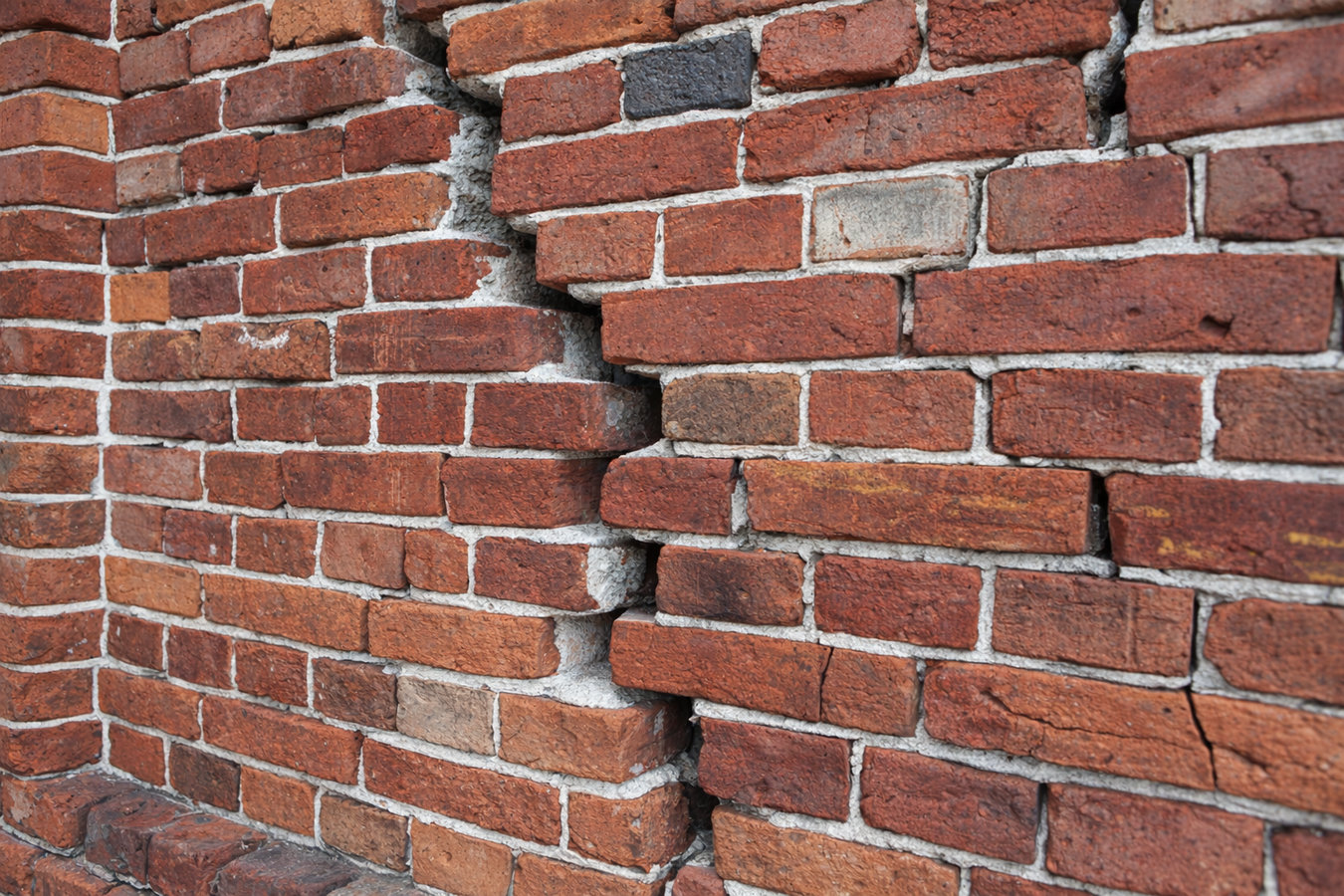
Brick repair in Tyler, TX covers everything from replacing crumbling mortar joints to swapping out individual spalled or cracked bricks - restoring your wall so it keeps water out and stays structurally sound, with most jobs completed in one to two days.
Most brick problems in Tyler come down to the mortar, not the bricks themselves. Mortar is the sacrificial layer - it is designed to wear out before the bricks do. When it crumbles or pulls away from the brick edges, water gets in. Tyler gets about 46 inches of rain a year, and that water does not need a big opening to cause real damage inside your wall.
The key to a repair that actually lasts is matching the replacement mortar to your existing brick type. Using a mix that is too hard can crack your bricks over time. If failing mortar is your main issue, the dedicated tuckpointing service page covers that process in more detail.
Diagonal cracks that follow the mortar joints in a stair-step pattern are a hallmark of foundation movement - and Tyler's clay-heavy soil makes this one of the most common brick problems in the area. Small, stable cracks that have not changed are often cosmetic, but new or widening cracks deserve a professional look before you repair the brick.
Run your finger along a mortar joint. If it crumbles or you can scratch it away easily, it is past its useful life. Mortar recessed more than a quarter inch below the brick face is no longer keeping water out. This wear is very common on Tyler homes built before 1980, especially on north-facing walls that stay damp longer.
When the outer layer of a brick breaks away or looks like it is peeling, that brick has been damaged by water freezing inside it. Tyler does not get hard freezes every winter, but the occasional ice storm combined with wet brick is enough to cause this over time. A brick in this condition cannot be patched - it needs to be replaced.
If you see damp spots, peeling paint, or a musty smell on an interior wall that backs up to exterior brick, water is likely getting through. Tyler's frequent heavy storms can push water through even small mortar gaps, especially on walls that face the prevailing wind. When it shows up inside, the repair has moved from optional to urgent.
We handle mortar joint repairs, individual brick replacement, and chimney brick work. When mortar is the issue, we cut out the old material to the correct depth and pack in fresh mortar matched to your existing joints - in both color and profile. When a brick itself is cracked, spalled, or missing its face, we remove just that brick and set a matching replacement in its place.
Finding a close match for older Tyler brick takes extra effort. Homes in established neighborhoods often have brick that is no longer manufactured, which means sourcing salvaged material. We tell you upfront when that is the case so there are no surprises. For homeowners with paved surfaces showing similar wear, our driveway pavers service covers cracked and settled paving repair separately.
For homes where mortar has crumbled, recessed, or pulled away from the brick edges - the most common repair needed on Tyler homes built before 1985.
Right for walls where specific bricks are spalled, cracked all the way through, or missing - without needing to disturb surrounding brickwork.
Suited for chimneys showing deteriorated joints, damaged cap bricks, or spalling from water exposure and occasional freeze events.
For diagonal crack patterns caused by foundation movement - we address the visible damage after confirming the underlying movement has stabilized.
Tyler's clay-heavy soil is the number one reason brick cracks here. The soil swells when it gets wet and shrinks when it dries - sometimes multiple times in a single season. That constant movement pushes and pulls at your foundation, which is why stair-step cracks in brick are so common across Tyler. When you see that pattern, the soil is almost always involved. A good mason will tell you honestly whether the movement looks settled or whether a foundation evaluation makes sense before the brick is repaired.
Tyler also has a lot of older brick homes with vintage material that is hard to match. Neighborhoods in central Tyler and homes served from Longview have homes from the 1940s through 1970s where original brick is no longer in production. Sourcing a close match - sometimes from salvage - takes extra time, but it is the difference between a repair that blends in and one that looks like a patch. We tell you upfront when salvage sourcing is the right approach.
Reach out by phone or through our contact form and we will respond within one business day. Describe what you are seeing - stair-step cracks, white streaks, a spalled brick - and we will ask enough to decide whether we need to come look before quoting.
For anything beyond a very small patch, we come to your home and look at the damage in person before giving you a price. We check the extent of cracking, the brick type, and whether there are signs of ongoing foundation movement. This visit is free and takes about 20 to 30 minutes.
You get a written estimate that spells out what will be done, what materials will be used, and the total cost - no vague line items. We will not pressure you to sign on the spot. Take time to compare quotes, not just on price but on how clearly the scope is described.
On the day of the job, we remove damaged mortar or broken bricks, clean the joints, and apply matched mortar or set replacement bricks. Fresh mortar needs 24 to 48 hours to set - keep sprinklers off during that window. Walk the finished work with us before we leave.
Free on-site assessment. Written estimate. No obligation.
(430) 247-0059If the stair-step cracks you are seeing look like ongoing foundation movement, we will tell you that before we start patching. Repairing brick over active movement is a waste of your money. You will get a straight answer on what we are seeing and whether the timing is right to repair.
We assess your existing mortar before mixing a replacement, because using a blend that is too hard for your brick type can crack the bricks themselves over time. That step takes a few extra minutes but makes the difference between a repair that lasts and one that fails again in a couple of seasons.
Tyler's established neighborhoods have homes with brick that is no longer manufactured. When individual bricks need replacing, we put in the work to source a close match - sometimes salvaged material - so the repair blends in rather than standing out. We tell you upfront when salvage sourcing is the right call.
Texas does not require a state masonry license, so it is on you to vet who you hire. We carry current general liability insurance and can produce a certificate on request. The National Park Service Preservation Briefs at nps.gov covers brick repair standards for anyone who wants to do their homework.
Good brick repair is nearly invisible when done right. The new mortar matches the old, the replacement bricks blend in, and the wall looks like it was never touched - because a repair that draws attention is a repair that was not done carefully enough.
For homeowners researching what proper brick repair looks like, the National Park Service Preservation Briefs cover repointing standards in plain language. The Brick Industry Association also publishes guides on mortar selection and brick replacement best practices.
Cracked or settled paving around your home can be addressed with the same attention to matched materials that we bring to brick repair.
Learn MoreWhen the mortar across a larger wall section has deteriorated, full tuckpointing restores every joint systematically rather than spot by spot.
Learn MoreCracks and failing mortar do not fix themselves - and every wet season without a repair means more water getting into your walls. Call today for a free on-site assessment.