Loading...
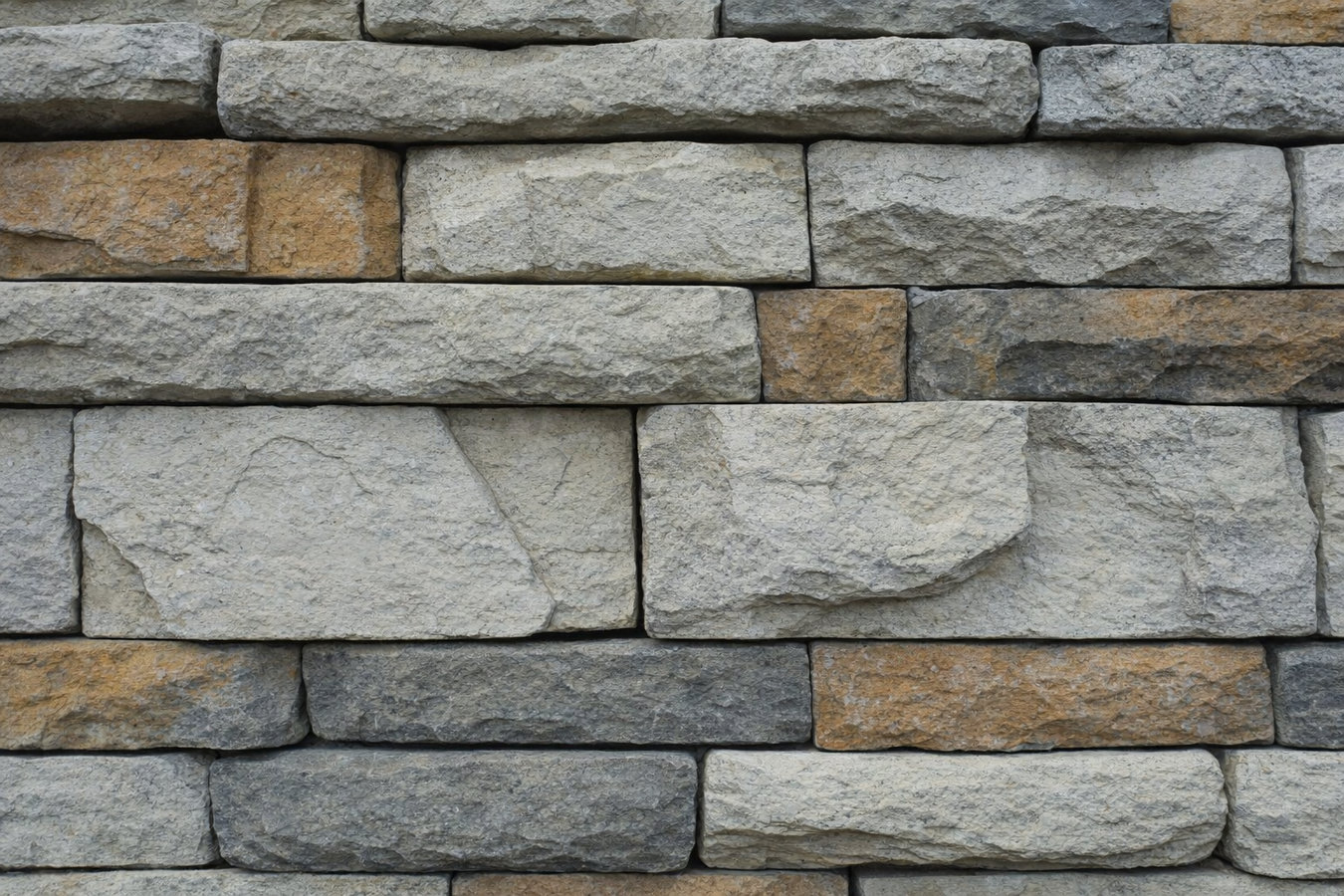
Crumbling mortar and cracked brick only get worse with every rainstorm. We restore your masonry and protect your home from the moisture damage that follows.
Masonry restoration in Tyler, TX covers repairing and stabilizing brick, stone, and concrete block surfaces that have started to crack, crumble, or pull apart - most jobs are completed in one to five days depending on scope.
If you own a brick home in Tyler, the mortar between your bricks is probably the first thing to show its age. Once mortar starts to crumble or fall out, water gets in behind the bricks - and that is when the real damage begins. Masonry restoration is about stopping that process before it turns into a much bigger problem.
Many homeowners are surprised to learn they do not need to tear everything out and start over. In most cases, a skilled mason can repair and stabilize what is already there. If your masonry has also shifted or pulled apart at joints, that is often a sign of the same issue that calls for tuckpointing - a targeted mortar repair process that works alongside full restoration.
If the material between your bricks looks sandy, hollow, or is falling out when you touch it, the mortar has failed. This is one of the most common issues in Tyler's older brick neighborhoods, where original mortar is now 50 to 80 years old. Open mortar joints let water in fast, and water damage compounds quickly in a wet climate.
Tyler's clay soil expands and contracts with moisture, and that movement can open cracks in brick walls, chimneys, and retaining walls - especially after an unusually dry summer followed by heavy fall rains. If you notice new cracks that were not there a season ago, that is the soil movement at work. A mason can tell you whether the crack is cosmetic or needs immediate attention.
If small pieces of the brick surface itself are breaking away - especially on a chimney or north-facing wall - that is called spalling. It usually means water has gotten inside the brick and is forcing it apart. This can happen after ice events, which Tyler experiences periodically. Once bricks start spalling, the damage accelerates quickly.
That chalky white residue you sometimes see on brick walls is called efflorescence - it is salt being pushed to the surface by water moving through the masonry. It is not dangerous on its own, but it is a reliable sign that water is getting in somewhere it should not. In Tyler's rainy climate, this is a common early warning sign that mortar joints need attention.
Our masonry restoration work covers the full range of repair tasks that brick and stone homes in Tyler need. That starts with mortar repointing - grinding out failed mortar and packing in new material matched to your existing bricks. For homes where bricks themselves have cracked or broken, we replace individual units to restore both the look and the structure. We also handle fireplace installation and rebuild work on fireplaces that have deteriorated to the point where repair is no longer the right answer.
Beyond individual repairs, we address larger structural concerns - retaining walls that have shifted, chimney sections that have separated from the roofline, and exterior walls where water intrusion has caused brick faces to pop off. For homes in Tyler's established neighborhoods where matching the original look matters, we source compatible materials so repaired sections blend with what is already there. If the damage extends to mortar-only issues that do not require full surface work, tuckpointing may be the right targeted solution.
Best for homeowners whose bricks are still in good shape but the mortar between them has crumbled, cracked, or pulled away.
Best for homes where individual bricks or stones have spalled, cracked, or broken away and need to be swapped out to restore the surface.
Best for homeowners dealing with a chimney that is leaning, separating from the roofline, or showing cracks that suggest structural movement.
Best for homes where a section of exterior brick or stone wall has suffered significant water damage, spalling, or soil-related shifting.
Tyler averages over 47 inches of rain per year, and the combination of heat, humidity, and occasional winter freezes creates a tough environment for masonry. Mortar joints that might last 50 years in a drier climate can start showing wear in 20 to 30 years here. Tyler also sits on expansive clay soils that swell when wet and shrink when dry - that constant movement puts stress on masonry walls, retaining walls, and chimneys in ways that homeowners in drier regions simply do not deal with. Established neighborhoods across Tyler, where brick homes from the 1940s through 1970s are common, are particularly likely to need restoration work. The bricks themselves are often still solid. It is the original mortar from that era that has passed its useful life and is letting water in.
Tyler also experiences periodic ice storms - like the significant winter weather events in 2021 - that can crack mortar and cause brick faces to pop off in ways that are not always obvious from the ground. If you have not had your masonry inspected since a major ice event, it is worth a look. We work throughout Tyler and serve homeowners in Lindale and Gladewater who are dealing with the same soil and climate conditions. For more on industry best practices for historic masonry repair, the National Park Service Technical Preservation Services publishes free guidance used by masons across the country.
Reach out by phone or through our contact form and we will get back to you within one business day. A photo of the damage sent ahead of time helps us come prepared.
We will walk the area with you, look at the damage up close, and ask about the history of the home. This visit is your chance to ask questions before any work is scheduled.
You will receive a written estimate that spells out what work will be done, what materials will be used, and the total cost. If a permit is needed, we tell you upfront so there are no surprises to the timeline.
The crew completes the work and then walks the finished area with you before leaving. Fresh mortar needs 24 to 72 hours before rain exposure - we will tell you exactly what to avoid during the curing window.
Free estimate, written quote, no pressure. We get back to you within one business day.
(430) 247-0059Using mortar that is harder than the original bricks can cause the bricks to crack over time. We assess your existing materials before choosing what to use - so the repair blends in and holds up rather than creating a new problem.
Tyler's clay soil moves with every wet and dry season, and that movement is a real factor in how masonry repairs hold up. We account for it when planning the repair - using the right materials and techniques so the work stays solid through the seasonal shifts your yard goes through every year.
You receive a written estimate that spells out what will be done and what it costs before any work begins. We walk you through it so you can see the problem, understand the fix, and feel confident about what you are paying for. No verbal-only quotes, no mystery invoices.
Some restoration projects - particularly retaining walls or load-bearing wall repairs - require a permit through the City of Tyler Development Services department. We know when permits are required and handle the process so you do not have to navigate it yourself.
Masonry restoration is not a one-size-fits-all job. The right approach depends on your home's age, the materials it was built with, and the specific conditions your property faces. We bring all of that together so the repair holds up - not just for a season, but for decades.
Build or rebuild a masonry fireplace that handles East Texas soil conditions and Tyler's occasional hard freezes.
Learn MoreTargeted mortar repair for brick joints that have cracked or crumbled without requiring full surface restoration.
Learn MoreMortar damage only gets worse the longer it sits. Call us today or request a free written estimate - we respond within one business day.