
Loading...
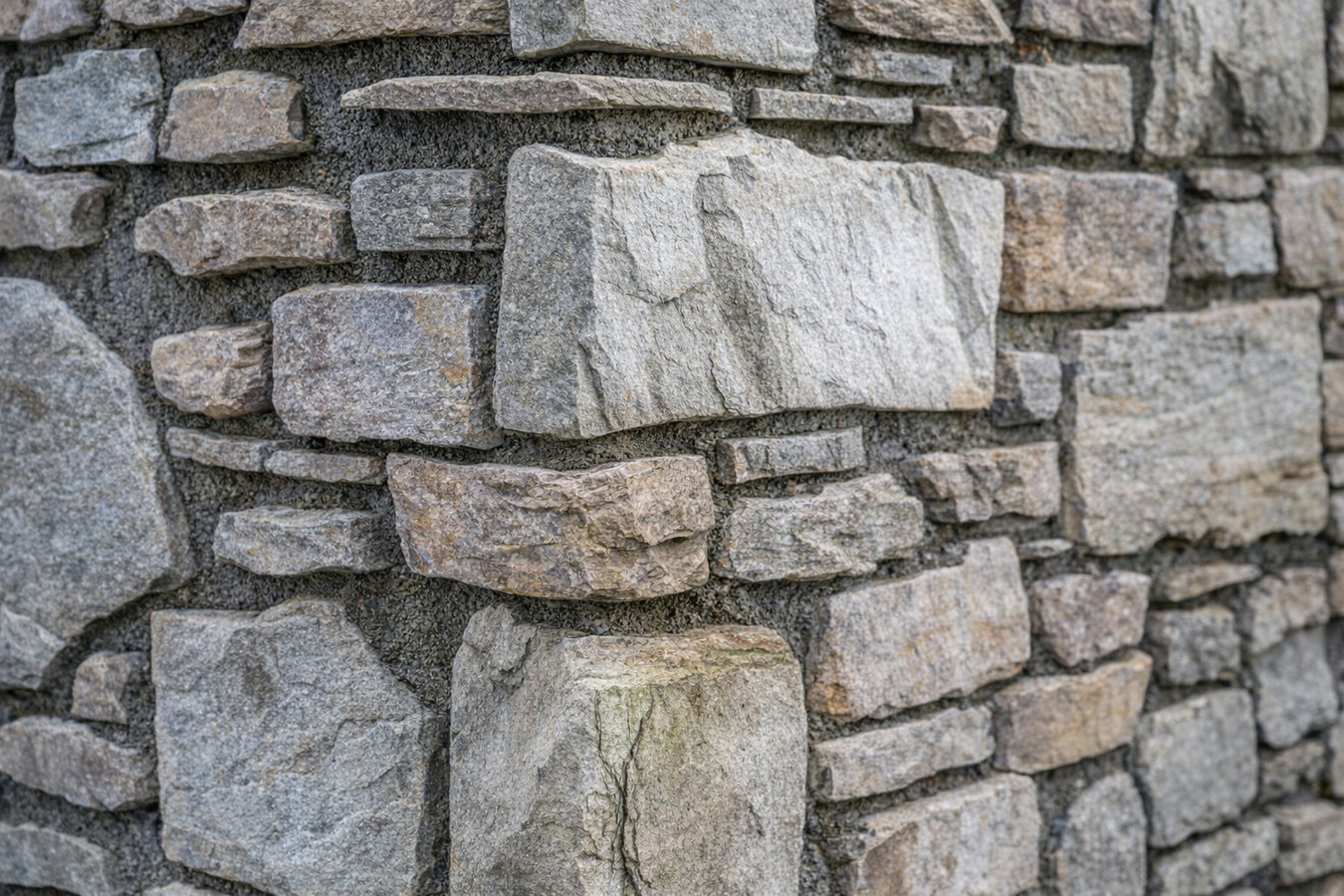
Stone walls and features that look right at home in Tyler fail fast without the right footing. We build for East Texas clay soil - so what goes in stays put for decades, not a few years.
Stone masonry in Tyler means selecting natural or manufactured stone suited to East Texas conditions, setting a proper footing in clay soil, and laying each course with mortar matched to the stone type - most residential projects run one to five days depending on scope, and well-built stonework lasts 50 years or more with minimal upkeep.
The footing is the part you will never see once the job is done, but it determines whether your stone wall, steps, or outdoor fireplace stays solid through years of Tyler's wet springs and dry summers. Clay soil that swells and shrinks with every rain cycle will push and pull on any masonry structure built on an inadequate base - and those cracks show up sooner than most homeowners expect. Getting the footing right from the start is the difference between a one-time investment and a recurring repair bill.
Stone masonry projects often pair naturally with other exterior work. Homeowners adding stone walls or outdoor features frequently finish the project with brick pointing on adjacent brick surfaces, or combine stone masonry with stone veneer installation to carry the same material across more of the home exterior.
Cracks running through the mortar between stones - or through the stones themselves - signal that the structure is under stress. In Tyler, this pattern often follows a dry spell or a heavy rain season when clay soil has shifted beneath the base. Small cracks caught early are a straightforward repair. Left alone, they let water in and the damage compounds quickly.
Run your finger along the joints between stones on an older wall or fireplace. If the mortar feels soft, sandy, or comes away easily, it has reached the end of its useful life. This is especially common in Tyler homes built before the 1980s, where original mortar has cycled through decades of East Texas heat and humidity.
A retaining wall or garden wall built to direct water away from your home may no longer be doing its job if it is leaning, cracking, or has gaps. Tyler's heavy spring rains mean water that pools against a foundation can cause serious damage. If water sits near your home after rain, it is worth having a mason check whether your existing stonework is still functioning as intended.
Tyler occasionally sees hard freezes, and the freeze-thaw cycle is tough on masonry that was not built for it. If you see spalling - chunks of stone or mortar popping off the surface - or gaps opening around the firebox, the structure needs attention before you use it again. Using a damaged outdoor fireplace risks further cracking and poses a safety concern.
We work with both natural stone - including East Texas limestone, sandstone, and fieldstone - and manufactured stone veneer, selecting the material based on your budget, the structural demands of the project, and how the finished work needs to perform in Tyler's climate. Natural stone walls, retaining features, garden walls, steps, and outdoor fireplaces are all projects we build from the ground up, starting with a footing designed for East Texas clay soil. For homeowners adding a visual stone accent to a home exterior or an existing structure, manufactured stone veneer is often the right call - it weighs less, installs faster, and costs less without sacrificing the look. We handle permit coordination with the City of Tyler for any project that requires it, including structures above the permittable height threshold. Adjacent masonry work, like brick pointing on surrounding walls, can often be folded into the same visit to reduce scheduling and labor costs.
We also handle repairs to existing stone features - repointing crumbling mortar joints, replacing damaged or spalled stone, and assessing whether a shifting wall can be stabilized or needs to be rebuilt from the footing up. Outdoor living projects - stone-faced outdoor kitchens, fire pit surrounds, and patio seat walls - benefit from combining stone masonry with stone veneer installation on the adjacent structure to carry a consistent look across the whole space.
For homeowners who want the look and durability of quarried limestone, sandstone, or fieldstone in a structural application.
For homeowners who want a finished entry or yard feature that holds up through Tyler's clay soil movement and seasonal weather.
For homeowners building or restoring an outdoor entertaining area where stone is the primary visual and structural material.
For existing stone walls, steps, or outdoor fireplaces with crumbling mortar, spalled stone, or early signs of shifting that need attention now.
Tyler sits on expansive clay soil that swells with every rain and shrinks through dry spells - and East Texas gets both in the same year. That movement is why stone masonry structures built without adequate footings crack and shift within a few years of installation. Knowing how deep to go and how wide to set the base for a given load and soil type is not something you learn from a manual - it comes from working in this specific ground. East Texas limestone is also a locally available material that suits the regional aesthetic and can reduce material costs compared to imported stone. The Mason Contractors Association of America and the Natural Stone Institute both publish technical standards that guide how stone should be installed and sealed in humid climates like Tyler's.
Older Tyler neighborhoods - including the Azalea District and established areas near downtown - have homes built in the mid-20th century where original stone and brick mortar is reaching the end of its useful life. These repairs require matching existing materials and joint styles rather than patching with whatever is on the truck. We serve homeowners across Tyler and the surrounding region, including those in Lindale and Gladewater, where the same clay soil conditions and seasonal weather patterns apply.
Describe your project and, if possible, send a few photos of the site. We will give you a quick read on whether your project is straightforward or complex before anyone drives out. No commitment, no pressure.
We come to your property, check the ground, measure the area, and look at any existing masonry nearby. A written estimate with clear scope, materials, and total cost follows within a few days. You will know exactly what you are agreeing to before any work starts.
If your project requires a City of Tyler permit - common for retaining walls and structures attached to the home - we pull it before work begins. This adds a few days to the start but protects you legally and ensures the work is inspected. Once cleared, we confirm your start date.
The crew arrives with materials and tools and works through each day. Surrounding surfaces are protected and debris is cleaned up at the end of each workday. When the job is finished, we walk through it with you - and if anything does not look right, we address it before the crew leaves.
Free estimate. Written quote before any work starts. No pressure.
(430) 247-0059Tyler's clay soil is one of the most common reasons stone masonry fails within a few years of installation. We account for clay movement in every footing we set - sizing the depth and width for the specific load and conditions on your lot. That is a local detail that matters and one a contractor without Tyler experience tends to underestimate.
East Texas limestone is a material with a long history in this region and suits Tyler's residential landscape well. We can help you source locally quarried options when they fit the project, which can reduce material costs compared to imported stone. Using material that looks at home in the region is part of what makes the finished project feel right.
When your project requires a City of Tyler building permit - which is common for retaining walls and any masonry attached to your home - we pull it on your behalf before work begins. You will not be left navigating the Development Services office on your own. Permitted and inspected work also protects you at resale.
Using the wrong mortar mix is one of the most common shortcuts in stone masonry - one that leads to cracking or spalling within a few years. We select mortar based on the type of stone, the application, and the conditions the wall will face in Tyler's humid climate and occasional hard freezes. The Natural Stone Institute publishes standards on this that guide our material selection.
Every stone masonry job we do in Tyler comes with a written estimate before work starts and a walkthrough at the finish. You stay in control of the project from the first call to the final inspection - the same standard you would expect from any reputable stonework company.
Restore failing mortar joints on stone and brick surfaces before water finds its way behind the wall.
Learn MoreAdd the look of full stone to an existing home exterior or structure at a fraction of the weight and cost.
Learn MoreFall and spring booking slots fill fast across East Texas - reach out now so your project is on the schedule before peak season.