
Loading...
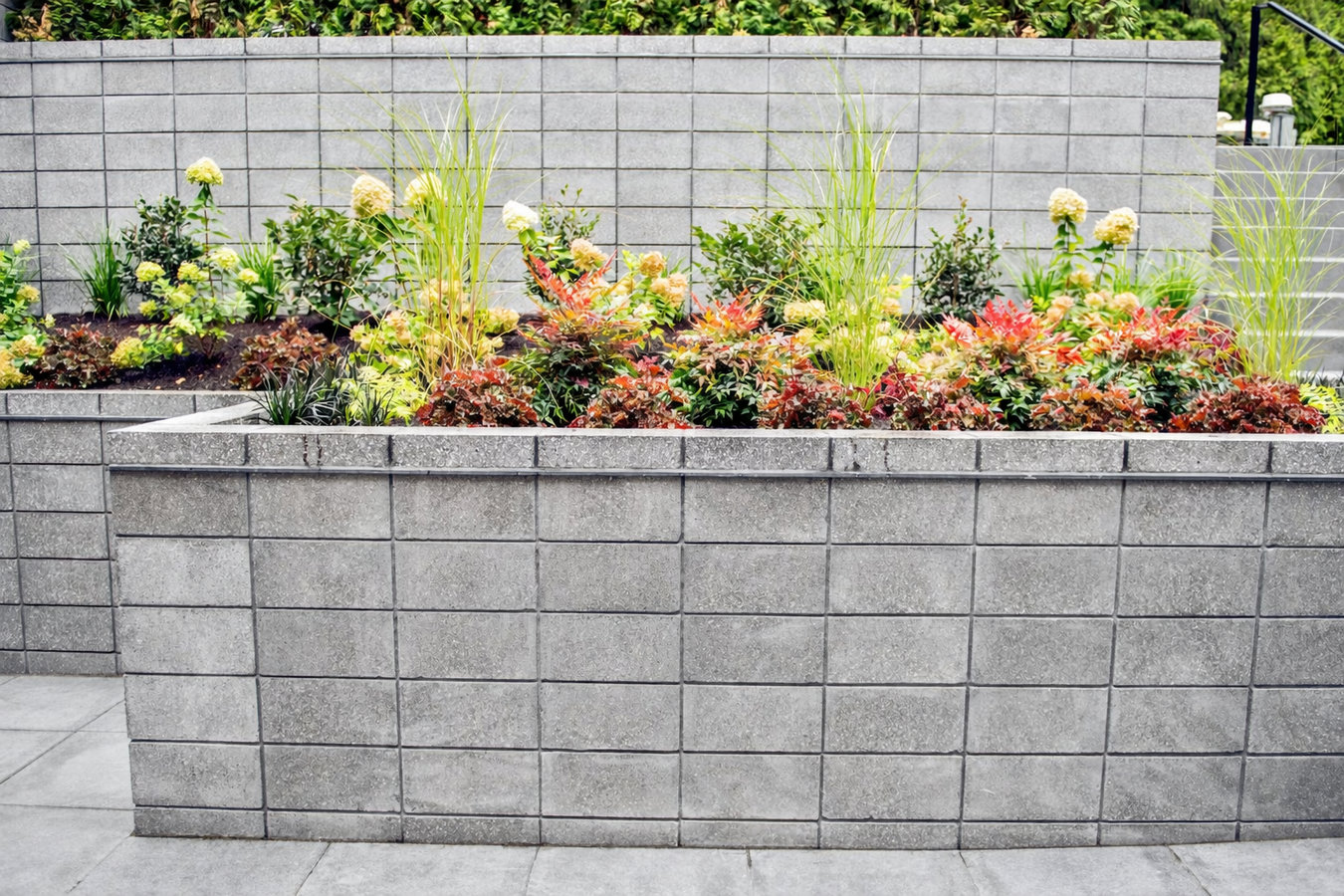
Wood fences warp and rot in Tyler's heat and humidity. Concrete block walls hold up through wet seasons, clay soil movement, and heavy rains - when they are built with the right footing and drainage from the start.
Concrete block wall construction in Tyler starts with excavating and pouring a concrete footing - the flat base the wall sits on - then stacking and mortaring individual blocks row by row with constant level checks. Most small to mid-size residential projects take three to seven working days and require a City of Tyler building permit for anything structural.
The footing is the part of the job that most homeowners never see, but it is the most important step in Tyler's clay soil. Clay expands when it rains and shrinks when it dries, and a footing that is not sized and positioned correctly for that movement will allow the wall above it to crack, lean, or shift within a few seasons. Skipping or rushing the footing is the main reason block walls fail prematurely in East Texas.
Concrete block walls serve a wide range of purposes and pair well with other masonry work. Homeowners adding a block boundary wall often combine it with a foundation block wall installation for an outbuilding or addition, or follow up with a retaining wall where sloped sections of the yard need erosion control.
If bare patches and muddy runoff appear on a slope in your yard after Tyler's heavy spring rains, the ground needs to be held in place. A block retaining wall stops that erosion before it undermines your lawn, garden beds, or your home's foundation. Left alone, soil loss on clay gets worse each rainy season.
Small hairline cracks in the mortar joints are normal over time, but cracks running diagonally through the blocks themselves - or a wall that is visibly leaning forward - signal that the structure is moving or settling. In Tyler, this is often caused by clay soil shifting beneath the footing. A mason can assess whether repair or replacement is the smarter move.
Many Tyler homeowners find that wood fence posts set in clay soil will heave or lean within a few years as the ground moves through wet and dry cycles. A concrete block wall or block pillar system provides a stable, long-lasting base that does not shift with the seasons the way a post-in-ground installation does.
If you are tired of re-edging the same overgrown property line every spring, a concrete block wall gives you a permanent boundary that does not need painting, staining, or replacing. In Tyler's heat and humidity, block outlasts wood and vinyl fencing by decades - and it never warps.
We build new concrete block walls for property boundaries, retaining applications, privacy screens, garden borders, and outbuilding foundations. Every project starts with a footing assessment specific to the location on your property - soil conditions, drainage patterns, and site grade all affect how we design the base. For projects that require a City of Tyler permit, we handle the application and schedule the inspection so you do not have to track that process yourself.
We also assess and repair existing block walls - repointing deteriorated mortar joints, filling cracks before they spread, and evaluating walls that are leaning or bowing to determine whether repair or rebuilding is the better long-term investment. Many block wall projects expand naturally into related work: homeowners who need a boundary wall often follow up with a foundation block wall installation for an adjacent structure, or add a retaining wall to address a sloped section of the same yard.
Best for homeowners who need a durable, low-maintenance boundary, privacy screen, or structural wall that holds up in Tyler's climate.
Suited for sloped lots where soil erosion is a recurring problem after heavy rain and standard fencing has not held up.
For existing walls showing cracked mortar, isolated block damage, or early signs of movement that can be addressed before becoming structural issues.
Ideal for homeowners who want a permanent, level foundation for gates, fencing panels, or boundary markers that will not shift with seasonal ground movement.
Tyler receives about 46 inches of rain per year, with the heaviest falls coming in spring. That rainfall saturates the heavy clay soil quickly - and saturated clay does not behave like ordinary dirt. It becomes dense, heavy, and unstable, and it pushes against anything in its path. A retaining wall without proper drainage built into the base is not a question of if it will fail - it is a question of when. The National Concrete Masonry Association details why drainage and footing design are the two most important variables in block wall longevity - especially in climates with expansive soils and high seasonal rainfall like East Texas.
Many of Tyler's established neighborhoods - including areas near South Broadway and the Azalea District - have mature trees and lot grades that were set decades ago. Adding a block wall in these areas sometimes means working around existing root zones and adjusting the design to fit a lot that was not originally graded with a wall in mind. Contractors who have worked in Tyler's older neighborhoods recognize those conditions before they become surprises mid-project. Homeowners in Kilgore and Henderson face similar clay soil and drainage challenges, and we apply the same footing-first approach across the entire East Texas region.
Reach out by phone or the contact form and we respond within one business day. We will ask what you want to build, roughly how long or tall, and where on your property. This first conversation usually takes 15 to 20 minutes - and it costs you nothing.
We walk your property to assess soil conditions, check drainage patterns, look at existing grade, and measure the area. You receive a written estimate breaking out labor, materials, and any permit fees - so you can compare bids clearly. If a permit is needed, we let you know upfront and handle the application.
Before any block goes up, the crew digs a trench and pours a concrete footing sized for Tyler's clay soil. This step is not optional and cannot be rushed - the footing needs at least 24 hours to harden before block work begins. In our area, getting this right is the difference between a 50-year wall and a 5-year problem.
The masons stack and mortar the blocks row by row, checking level and alignment constantly. When the wall is complete, the crew cleans up and the city inspector visits if a permit was pulled. Before the crew leaves for the last time, we walk the finished wall with you and explain how long to wait before backfilling soil or placing heavy objects against it.
No obligation. We will walk your property, explain exactly what the job involves, and give you a written number before you commit to anything.
(430) 247-0059Tyler's heavy clay soil is the main reason block walls fail prematurely in this area. We design every footing with the local soil's expansion and contraction cycle in mind - not just the wall's height and weight. That means your wall stays straight and solid through wet springs and dry summers, not just for the first year.
We pull every required permit through the City of Tyler before a single block goes in the ground. That means your project is on record and inspected - which protects your investment now and makes your life simpler if you sell your home later. You should never have to wonder whether the work was done by the book.
We build gravel backfill and drainage openings into every retaining block wall as a standard part of the job. A wall without drainage in Tyler's rainfall environment is just waiting for the next big storm to push it over - we do not build walls that way.
Every project starts with a written estimate that covers labor, materials, footing work, and permit fees - no vague line items and no surprises on the invoice. Tyler homeowners deserve to make a confident decision, and that starts with a number you can actually plan around.
A concrete block wall built right is something you do once. The footing depth, the drainage design, and the permit process are details that are invisible in the finished wall - but they are exactly what separate a wall that holds for 50 years from one that starts cracking in five. Call us or send a message to get started with a site visit and written estimate.
Structural block wall installation at the foundation level for homes, outbuildings, and additions on challenging East Texas lots.
Learn MoreStop soil erosion on sloped lots with a retaining wall built for Tyler clay, heavy rain, and long-term drainage performance.
Learn MoreTyler's clay soil and rainy seasons do not wait - reach out now to get on our schedule before the busy season fills up.