Loading...
Crumbling mortar lets Tyler rain straight into your walls. We cut out the old joints, pack in matched mortar, and seal everything tight so your brick works the way it should.
Tuckpointing in Tyler, TX means cutting out old, crumbling mortar from brick joints and packing in fresh mortar - sealing the wall against water and restoring its strength, with most residential jobs wrapping up in one to three days.
Tyler gets about 46 inches of rain a year. When mortar joints crack or pull away from the brick, that water does not run off - it soaks in. Once it is inside the wall, it works toward your interior. By the time you see a damp spot on an indoor wall, the damage has been building for a while.
Tuckpointing is not a cosmetic fix - it is how you stop that process before it becomes expensive. If you have also noticed white chalky streaks on your brick, that is efflorescence, a sign moisture is already moving through. A related service worth pairing with tuckpointing is brick repair for any bricks that have spalled or cracked alongside failing mortar.
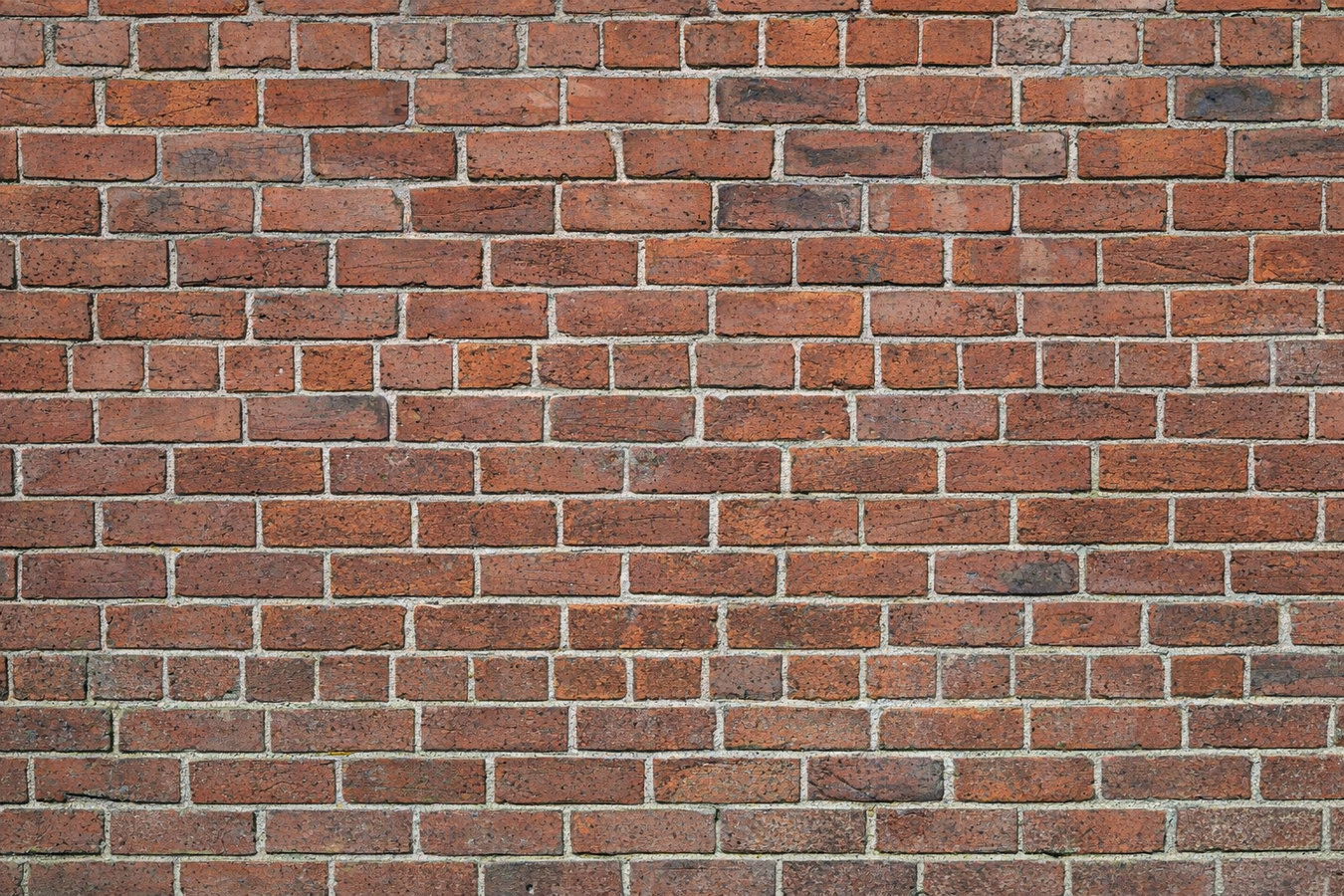
Run your hand along the mortar joints on an exterior wall. If the mortar feels soft, crumbles when you press it, or has visible gaps wider than a credit card, it is no longer doing its job. In Tyler's wet climate, those gaps are an open invitation for water to get behind your brick.
Those chalky white streaks - called efflorescence - are mineral deposits left behind when water moves through your brick and mortar. It is a reliable sign that water is getting in somewhere. In Tyler, efflorescence often shows up on north-facing walls or near the base of chimneys after heavy spring rains.
Stand back and look at your wall at an angle in good light. If the mortar lines look noticeably lower than the brick face - like grooves - the mortar has shrunk and pulled away from the brick edges. That gap is where water enters, and in Tyler's clay-soil environment, the water has nowhere to drain quickly once it gets in.
If you have noticed damp spots, peeling paint, or water stains on an interior wall that backs up to brick, failing mortar joints on the outside are a common culprit. Tyler's heavy spring rains can drive water through even small gaps in mortar, and by the time you see it inside, the wall cavity has likely been wet for some time.
We handle the full range of tuckpointing work - from a single crumbling chimney section to a complete exterior repoint on an older brick home. Every job starts with cutting out the deteriorated mortar to the right depth (about three-quarters of an inch), then hand-packing fresh mortar that matches your existing joints in both color and profile. We clean mortar smears off the brick face as we go, so the finished wall looks like the joints were always there.
For homes in Tyler's older neighborhoods where original lime-based mortars were used, we match the mix to your existing brick rather than defaulting to a harder Portland cement blend. Using mortar that is too rigid for your brick can cause the bricks themselves to crack over time. We also pair tuckpointing work with brick pointing when the joint profile needs to be rebuilt from scratch rather than just refilled.
Best for homeowners with visible mortar loss or staining on the chimney - a common entry point for water in Tyler brick homes.
Right for older brick homes where original mortar has reached the end of its service life and needs full replacement across all elevations.
Good for homes with isolated sections of failing joints - a single wall face or a specific problem area without needing a full-house project.
Suited for any repair where the new mortar must blend with existing joints - especially important on mid-century Tyler homes with distinctive mortar tones.
Tyler sits on expansive clay soil that swells when it rains and shrinks during dry spells. That constant ground movement puts stress on brick walls and mortar joints every season. It is one of the main reasons mortar in Tyler breaks down faster than national averages suggest. A mason working here needs to use a mortar mix with enough flexibility built in to move with your home, not against it - rigid mixes crack again within a few seasons. We have been doing this work in East Texas long enough to know which mixes hold up.
Tyler also has a large share of brick homes built between the 1950s and 1980s, many using softer lime-based mortars that are now past their service life. If your home falls in that range and has never had masonry work done, the joints may look intact from the street while already failing at depth. Homeowners in Tyler and in Marshall have found the same pattern - aging brick that looks fine until a mason probes the joints and finds them hollow. Scheduling an inspection before the next rainy season is the lowest-cost way to find out where you stand.
Reach out by phone or through our contact form and we will get back to you within one business day. Tuckpointing is hard to price accurately from a photo, so we will schedule a walk-around to see the wall in person.
We walk the wall with you, show you exactly what we are seeing, and give you a written estimate that covers scope, mortar mix, and timeline - no vague line items. You will know what the job costs before any work starts.
The crew uses a grinder or chisel to remove old mortar to the right depth, then hand-packs fresh matched mortar and tools the joints. This is the noisiest part - plan on grinder sound for most of the workday.
Before we leave, walk the finished wall with us. Fresh mortar needs 24 to 48 hours before it gets wet - avoid sprinklers near the wall during that window. In Tyler's summer heat we may lightly mist the joints to slow the cure and prevent surface cracking.
Free estimate. Written quote. No pressure to sign on the spot.
(430) 247-0059We assess your existing mortar before mixing the replacement, so the new joints are compatible with your brick. Mismatched mortar - especially one that is too hard - can crack the bricks themselves. We have seen it on plenty of Tyler jobs done by contractors who skipped this step.
Tyler's expansive clay soil moves with every wet and dry season, and mortar that is too rigid will crack right along with it. We use flexible mixes suited to this ground movement - the kind of detail that only matters if you have actually watched rigid-mix repairs fail here within a few years.
Texas does not require masonry contractors to hold a state license, which means anyone can call themselves a tuckpointing contractor here. We carry current general liability insurance and can provide a certificate on request - protecting you if something goes wrong on your property. The Brick Industry Association at gobrick.com is a good resource for what proper masonry credentials look like.
We clean mortar smears off your brick face as the work progresses and haul debris at the end of every day. You should not have to clean up after us - and you will not. Walk the finished wall before we leave and tell us if anything needs touching up.
Every one of these points connects to the same outcome: a tuckpointing job that holds up in Tyler's specific climate and soil conditions, not just one that looks good on day one. That is what makes the difference between a repair that lasts 20 years and one that needs redoing in five.
For more on best practices in masonry repair, the Brick Industry Association publishes technical notes that cover mortar selection and joint profiles. The National Park Service Preservation Briefs also cover mortar repointing standards in detail.
Replace spalled, cracked, or missing bricks alongside your tuckpointing work to give the whole wall a clean, watertight finish.
Learn MoreWhen joints need to be built up from scratch rather than just refilled, brick pointing restores the full joint profile from the ground up.
Learn MoreMortar problems do not improve on their own - the longer Tyler rain finds those open joints, the more expensive the fix gets. Call today for a free estimate.