
Loading...
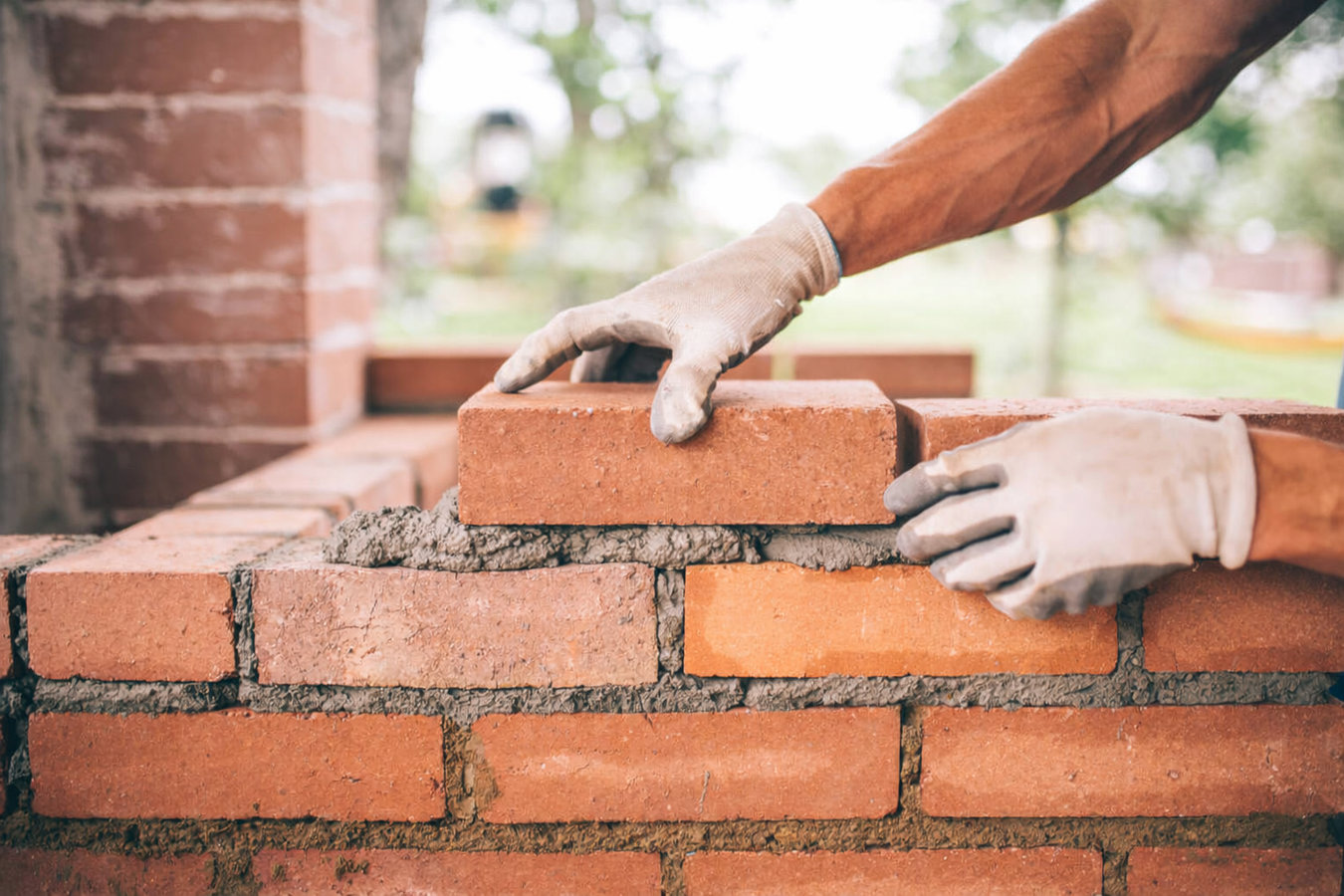
Wood fences in East Texas heat and humidity are a constant battle. A brick wall does not warp, rot, or need painting - and when it is built on a proper footing for Tyler's clay soil, it stays plumb and solid for decades.
Brick wall installation in Tyler means digging a concrete footing below stable soil, pouring and curing that base, then building the wall course by course with overlapping rows bonded in mortar - most residential garden walls or boundary walls take three to seven days depending on length and height, and the finished structure can last 50 to 100 years with routine joint maintenance.
The footing is the part you will never see once the job is done, but it is the most important part of the whole project. In Tyler, where the soil expands with every rain and contracts through dry spells, a footing that does not go deep enough or wide enough will let the wall shift, crack, or lean over time. Most brick wall failures in East Texas trace back to the footing - not the brickwork above it.
Brick walls often go hand in hand with other exterior masonry work. Homeowners doing a boundary wall frequently add a matching stone masonry feature - a pillar, garden wall, or planter - at the same time. If your existing brick on the home has wear or damage, pairing the new wall project with brick repair is a practical way to handle both in one visit.
If you can see cracks in the mortar joints or the bricks themselves, or if the wall looks like it is tilting even slightly, the foundation has shifted. In Tyler, this is often caused by clay soil expanding and contracting with the seasons. A leaning wall can eventually fall, so it is worth having a mason look at it sooner rather than later.
Run your hand along an older brick wall - if mortar crumbles away or you can see gaps between bricks, moisture is getting in. Tyler's humid summers accelerate this kind of wear. Once water gets behind the wall, it can widen the cracks through temperature cycling. What starts as a maintenance issue becomes a structural one.
Wood fences in Tyler's heat and humidity have a tough life. If you have replaced boards or repainted the same fence multiple times, a brick wall is worth considering as a permanent alternative. Brick does not warp, rot, or need staining, and it holds up through the summer storms that regularly move through East Texas.
In Tyler neighborhoods where lots sit close together, a brick wall gives you real privacy and a clear boundary without the upkeep of a wood or vinyl fence. This is especially common in older South Tyler neighborhoods where homeowners are upgrading aging fences as part of broader yard improvements.
We build freestanding garden walls, boundary walls, raised planters, and low retaining features from clay brick - the same material that has dominated Tyler residential construction for decades because it holds up through East Texas heat, humidity, and seasonal soil movement. Every project starts with a poured concrete footing designed for the specific soil conditions on your property. We handle permit coordination with the City of Tyler as part of every job that requires it, so you never have to deal with the building department yourself. For homeowners in HOA-governed subdivisions, we can help you understand what approvals may be needed before materials are ordered. Wall designs range from simple single-wythe garden borders to taller double-wythe boundary walls with column accents and capped tops. Projects that include matching masonry features - pillars, planters, or garden walls - can be combined with stone masonry work in the same visit.
We also handle repairs to existing brick walls - repointing cracked mortar joints through tuckpointing, replacing damaged bricks, and addressing sections that have shifted or leaned. If the wall has been compromised at the footing level, we will tell you honestly whether repair makes sense or whether rebuilding the section is the right call. Larger exterior projects sometimes include brick repair on the home itself alongside the wall installation, which keeps labor costs lower than scheduling two separate visits.
For homeowners replacing wood or vinyl fencing with a permanent brick structure that defines the property line.
Low brick walls for homeowners who want to define garden beds, raised planting areas, or yard zones.
For homeowners who want a finished, architectural look - includes pillar columns and a capped top course.
For existing walls with cracked mortar, loose bricks, or early signs of foundation shift that need attention before further damage spreads.
Tyler's clay soil swells when it rains and shrinks when it dries - and East Texas gets both in the same year. That constant movement is one of the most common reasons brick walls crack or lean within a few years. A mason who knows this area will dig the footing deeper than the minimum and size the base for the specific load and soil conditions on your lot. The Brick Industry Association publishes technical guidance on footing design and mortar selection that is especially relevant in shrink-swell soil environments. Many of Tyler's older neighborhoods - including the Azalea District and older sections of South Tyler - also have large mature trees whose roots can push against footings and crack walls over time. We assess root proximity before laying out any wall and may recommend adjusting placement or deepening the footing to get below the active root zone.
The City of Tyler requires building permits for most freestanding masonry walls above a certain height, and we handle that coordination as a standard part of every permitted job. Homeowners in Longview and Marshall face similar clay soil conditions and local permitting processes, and we bring the same footing standards and local knowledge to every project across the East Texas region.
Reach out by phone or the contact form and we get back to you within one business day. We will ask about the wall you have in mind, what is there now, and any nearby trees or property line considerations - a 10 to 15 minute conversation before any commitment.
We come to the property, look at the ground conditions, and measure the area. You get a written estimate that covers labor, materials, and permit fees - and we confirm whether a City of Tyler permit is required before work begins. No surprises later.
The crew digs the trench, pours the concrete footing, and lets it cure before any brickwork starts. This is the invisible step that matters most. Once the footing is solid, bricks go up course by course - most residential walls are done in three to seven days.
If a permit was pulled, a city inspector checks the finished wall. After the crew leaves, give the mortar about a week before putting any pressure on the wall. Full strength develops over about a month - we tell you exactly what to avoid and for how long before we pack up.
Free estimate. We handle the permit. You get a written price before any work starts - no surprises on the final invoice.
(430) 247-0059We size every footing for the specific soil conditions on your property - deeper and wider than the bare minimum in clay-heavy areas where movement is a known factor. That extra work at the start is what keeps your wall plumb and solid through wet seasons and dry ones.
The City of Tyler permitting process is straightforward if you know it, but confusing if you do not. We pull every permit required, schedule the inspector, and handle any follow-up. You never have to make a single call to the building department.
We have worked in Tyler neighborhoods with heavy clay soil, mature tree canopies, and HOA design requirements. That local experience means we recognize potential issues - root proximity, drainage patterns, soil conditions - before they become problems on your project.
Texas contractors can be verified through the Texas Department of Licensing and Regulation. We carry liability insurance and workers' compensation coverage, and we will provide documentation before any work starts. Ask for it - a contractor who hesitates is a red flag.
A brick wall is one of the most permanent improvements you can make to a Tyler property. When the footing is right and the brickwork is plumb, it holds up for decades with minimal maintenance - no painting, no replacing boards, no worrying about the next summer storm. That is the standard any reputable stonework company should deliver.
Structural stone walls and features that pair well with brick walls for a cohesive outdoor design.
Learn MoreFix cracked, spalled, or deteriorating brick on existing walls before moisture damage spreads.
Learn MoreSpring booking slots fill fast - call us now or submit the contact form to lock in your project before the summer heat arrives.