Loading...
Tyler gets 46 inches of rain a year, and a chimney with missing mortar or a damaged cap lets that water straight in. We inspect, quote, and repair the same week.
Chimney repair in Tyler, TX covers a range of work - repointing deteriorated mortar, replacing a cap, fixing the metal flashing where the chimney meets the roof, or relining the flue inside - and most residential jobs are completed within one to three days. Tyler receives around 46 inches of rain per year, well above the national average, and that moisture is the single biggest threat to a chimney's lifespan. Water works into small cracks in the mortar and, as the chimney wets and dries through the seasons, those cracks grow. A chimney that might last 40 years in a dry climate can show serious wear in 20 to 25 years here without maintenance.
Many Tyler homeowners only use their fireplace a handful of times each year, which can create a false sense of security. Infrequent use does not protect a chimney - moisture, pests, and debris accumulate whether or not you are burning wood. If your chimney has not been inspected in several years, scheduling a look before lighting the first fire of the season is the most straightforward thing you can do. If mortar repair turns out to be part of what your chimney needs, that work is closely related to our tuckpointing service, which addresses deteriorated mortar joints throughout brick masonry structures.
White, chalky streaks or patches on the outside of your chimney - called efflorescence - mean water has been moving through the bricks and carrying mineral deposits to the surface. In Tyler's rainy climate, this staining can appear faster than in drier parts of the country. It is not just cosmetic - it signals moisture is already working into the masonry.
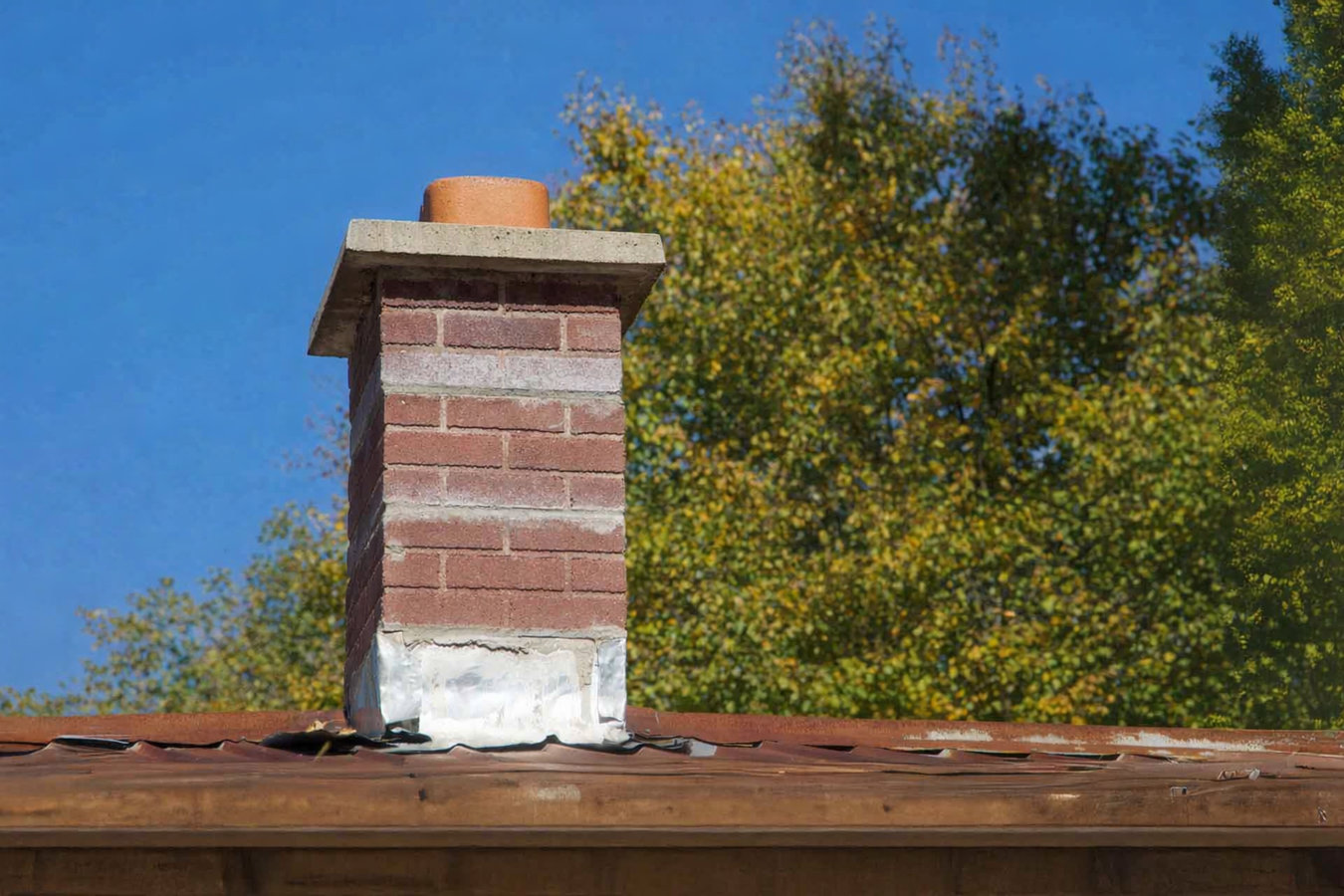
Stand back and look at your chimney from the yard. Gaps between bricks, sandy-looking mortar, or spots where mortar has fallen out entirely mean the chimney needs repointing. This is especially common in Tyler homes built before 1980, where the original mortar has reached the end of its natural lifespan. Those gaps let water in and bricks begin to loosen.
A brown or yellowish stain on the ceiling or wall near the fireplace almost always points to a leak in the chimney system - often the flashing where the chimney meets the roof. Tyler's frequent rain means even a small flashing gap can produce a visible stain within a single rainy season. Do not assume the stain comes from something else without having the chimney inspected first.
The cap that sits on top of your chimney keeps rain, birds, and debris out of the flue. If you can see from the ground that the cap is gone, bent, or heavily rusted, water and animals are likely getting in. This is a straightforward fix, but the longer it goes unaddressed in a wet climate like Tyler's, the more secondary damage accumulates inside the chimney.
Chimney repair is not a single job. The right repair depends on what the inspection finds. We handle mortar repointing - the most common need in Tyler's older homes - as well as chimney cap replacement, flashing repair, and full or partial flue relining. We also address structural issues like leaning or pulling caused by East Texas soil movement, which can shift a chimney's base enough to create visible gaps where the chimney meets the exterior wall. In some cases, chimney movement and foundation movement are connected - the same clay soil dynamics that affect your slab can shift a chimney's footing as well.
If your fireplace itself needs reconstruction or you want to add a new hearth, that work is separate from chimney repair - see our fireplace installation service for masonry firebox construction. Chimney repair focuses on the chimney structure above the firebox, the liner inside, the cap at the top, and the flashing at the roofline.
Best for chimneys where the mortar joints are crumbling, cracked, or show gaps - done well, repointed mortar can last 20 to 30 years.
Needed when the cap is missing, rusted through, or damaged - keeps rain, birds, and debris out of the flue.
Suited to chimneys where water stains on the ceiling near the fireplace point to a failing metal seal at the roofline.
Necessary when a camera inspection reveals cracks or gaps in the liner - a safety repair that prevents heat and gases from reaching the home's framing.
Tyler's combination of high annual rainfall and clay-heavy soils creates two separate problems for chimneys. The moisture side is straightforward - more rain means more water pressure on every crack and gap in the mortar, and the damage compounds faster than it would in a drier climate. The soil side is less obvious: East Texas clay shifts seasonally, and that movement can affect a chimney's footing, causing the chimney to pull slightly away from the house over time. Both issues are common in Tyler's established neighborhoods, where many homes and their chimneys were built in the 1940s through 1980s.
Homeowners in areas like central Tyler and Henderson often contact us after noticing the first water stain or a gap in the mortar - small signs that, in Tyler's wet climate, are worth taking seriously before the next rainy season arrives. The Chimney Safety Institute of America recommends annual inspections for any chimney, and in Tyler's climate that guidance is particularly relevant.
When you call, we ask a few basic questions - how old is your home, when was the chimney last inspected, and what you have noticed. We schedule a free site visit within 1 business day. We never give a price over the phone without seeing the chimney first.
We examine the chimney from the outside - bricks, mortar, cap, and flashing - and look inside the firebox and up the flue with a flashlight or camera. We show you what we found in plain language and, when relevant, share photos before recommending any work.
You receive an estimate that lists each repair separately with its own cost - not a single lump sum. That lets you compare estimates from other contractors on equal terms and see exactly what you are paying for before agreeing to anything.
Most Tyler chimney repairs take one to three days. When the work is done, we explain the curing time for fresh mortar - typically 24 to 48 hours before rain, longer before first use. You receive a brief written summary of repairs as documentation for future sale or insurance.
We respond within 1 business day. After you submit, someone from our office calls to schedule a free on-site inspection. We look at the chimney in person, show you what we find, and give you a written estimate before any work starts. No pressure, no lump-sum quotes.
(430) 247-0059Every written estimate we provide breaks out each repair separately. You see what mortar repointing costs, what cap replacement costs, and what flashing repair costs - not one opaque number. That standard matches what the Chimney Safety Institute of America expects from qualified contractors.
Tyler receives around 46 inches of rain per year - well above the national average. Every repair we make is designed to hold up through East Texas weather, not just look correct on a dry day. We seal the places water finds first so you are not calling for the same repair after the next heavy rain.
We do not recommend flue relining - the most expensive repair - without first inspecting the liner with a camera. You cannot see a cracked or deteriorated liner from the ground, and a camera inspection is the only way to know whether you actually need that repair or a less costly alternative.
Many Tyler homes were built in the 1940s through 1980s, and chimneys from that era have specific needs. We tell you what is a safety priority now and what is cosmetic or can wait - rather than handing you the longest possible repair list from a free inspection.
A chimney that holds up through Tyler's rainy seasons starts with an honest inspection and a repair plan that matches what the chimney actually needs - not the most expensive option available. That is the standard we hold ourselves to on every job, whether it is a cap replacement or a full relining. The National Fire Protection Association publishes guidance on chimney safety standards that any qualified contractor should be familiar with.
Tuckpointing removes and replaces deteriorated mortar joints across brick masonry - the same technique used in chimney repointing, applied to walls, planters, and exterior surfaces.
Learn MoreIf your chimney is in good shape but the firebox itself needs rebuilding or you want to add a new fireplace, our fireplace installation service covers masonry firebox construction.
Learn MoreTyler's rainy season does not wait. A small mortar gap now becomes a water damage problem by spring.