
Loading...
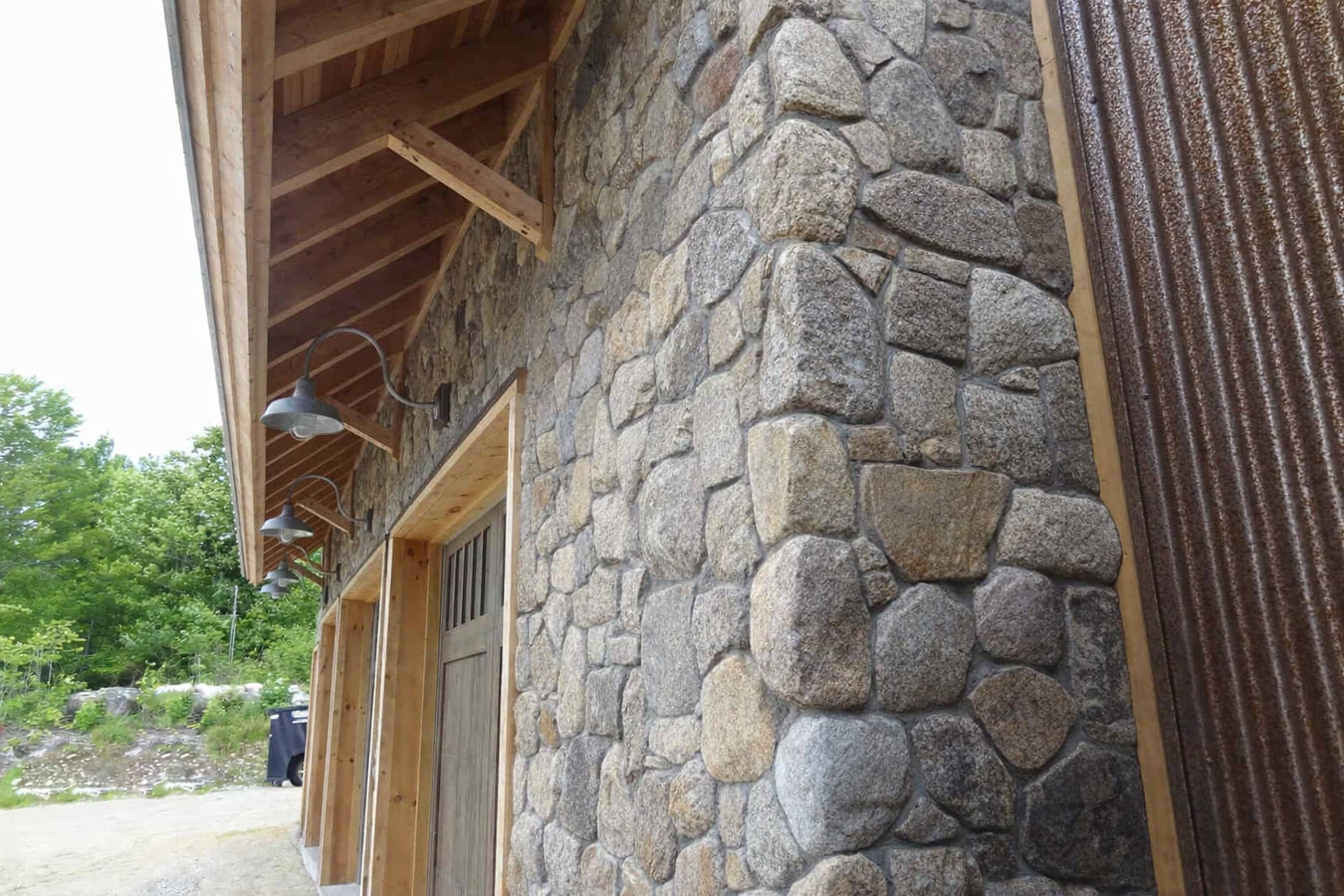
Your home looks like every other brick house on the block. Stone veneer gives it character and curb appeal without rebuilding - and when it is done right, it holds up through East Texas humidity, clay soil movement, and heavy spring rains.
Stone veneer installation in Tyler means attaching a thin layer of natural or manufactured stone to your existing exterior wall - most residential accent projects take two to five days, cover entryways or the lower face of a home, and do not require any structural changes to the house.
The work starts with surface preparation - applying a moisture barrier and metal mesh so the mortar has something solid to grip. The crew then sets each stone piece by hand, pressing it into fresh mortar and filling the joints once the main setting is done. In Tyler, where clay soil moves with every wet and dry season, that surface prep is not a formality - it is what keeps the veneer tight for decades instead of cracking after the first dry summer.
Stone veneer works well as a standalone curb appeal upgrade and also pairs naturally with other projects. Homeowners adding veneer to a front entryway often combine it with concrete block walls along a property line, or finish the project with full stone masonry on an adjacent column or garden structure.
If your home's front face is plain brick or painted concrete block and it blends into the street, stone veneer is one of the most effective ways to add visual depth and character. You do not have to replace the whole exterior - adding veneer to the lower third of the front wall or around the entryway makes a real difference without a major project.
White powdery streaks on brick or block walls are a sign that water is moving through the wall and leaving mineral deposits on the surface. This is especially common in Tyler after heavy spring rains. Stone veneer installation with proper drainage built in can be part of the solution - not just a cosmetic fix.
If you already have stone veneer and you are noticing cracks in the mortar or stones that feel slightly loose, that is a sign the original installation is failing. In Tyler's clay soil environment, small cracks can become bigger problems quickly once water starts getting behind the wall.
Many Tyler homes have had additions or garage conversions done over the years, and the new brick or block often does not match the original structure. Stone veneer applied to the addition - or to both surfaces - can unify the look and make the home feel intentional rather than pieced together.
We install both natural thin stone veneer and manufactured stone veneer on residential exteriors, fireplace surrounds, accent walls, columns, and entryways. Every installation starts with a proper surface assessment - moisture barrier, metal lath, and scratch coat applied in the right sequence so the stone bonds correctly. For homes in subdivisions with HOA design guidelines, we can help you understand what materials and colors are likely to be approved before you commit to anything.
We also handle repairs to existing veneer - repointing cracked mortar joints, replacing loose or missing stones, and sealing surfaces where water has started to work its way in. Many homeowners who come to us for veneer repair decide to expand the scope once they see how much a fresh installation changes the look of their home. Larger exterior projects sometimes include concrete block walls for property boundaries or pair the veneer work with full stone masonry on structural elements like pillars and garden walls.
Suited for homeowners who want to add stone character to a plain or dated exterior without structural work.
For existing veneer installations showing cracked mortar, loose stones, or early signs of moisture intrusion.
Best for homeowners who want the look of real stone on an interior feature wall or fireplace surround.
Targeted upgrade for front entries, porch columns, or garage facades where curb appeal matters most.
Tyler sits on expansive clay soil that swells in wet weather and shrinks during dry spells. That constant movement stresses the bond between veneer and the wall behind it. Contractors who work regularly in East Texas use mortar mixes formulated to flex slightly rather than crack under pressure, and they make sure base surfaces are anchored in ways that hold even as the ground shifts through seasons. The Masonry Veneer Manufacturers Association publishes installation standards specifically addressing moisture management and drainage - the details that determine whether a veneer job holds up for 30 years or starts failing in five.
Tyler summers are long and humid, with significant moisture in the air from May through September. If water vapor cannot escape behind the veneer, it gets trapped and causes the mortar to fail from the inside - a problem you cannot see until the damage is done. We build proper drainage into every exterior veneer project. Homeowners in Kilgore and Lindale deal with the same clay soil and humidity conditions, and we bring the same installation standards to every project across the East Texas region.
Reach out by phone or the contact form and we respond within one business day. We will ask about the area you want to cover, what it looks like now, and what you want it to feel like when it is done - a 10 to 15 minute conversation before any commitment.
We visit your home, inspect the wall surface, check for existing moisture issues, and measure the area. You receive a written estimate that breaks out labor and materials separately - so you can compare it clearly against other bids without guessing what is included.
Once you accept an estimate, you choose your stone style and color. Many contractors have sample boards or can take you to a local supplier. After selection, materials are ordered and a start date is set - lead times on materials can run one to three weeks, so factor that in if you have a deadline.
The crew prepares the surface, sets the stone by hand working from the bottom up, and fills the joints once the setting is complete. Most projects wrap in two to five days. After the last stone is set, the crew cleans mortar residue and walks you through the finished work before leaving.
No obligation. We will come to your home, assess the wall, and give you a written estimate - no sales pitch involved.
(430) 247-0059Tyler's heavy clay expands and contracts with every wet and dry cycle, and veneer that is not installed with that movement in mind will crack. We use mortar mixes and anchoring techniques developed for East Texas conditions - not generic national specs that do not account for local soil behavior.
Water behind the veneer is the most common cause of long-term failure. We install drainage mats and weep screeds at the base of every exterior wall as standard practice - not as an upcharge - because leaving them out would be setting up the job to fail within a few seasons.
Every project starts with a written estimate that breaks out labor, materials, and any prep work line by line. You know exactly what you are paying and why before a single piece of stone is ordered. No surprises on the invoice and no verbal-only agreements.
Many Tyler subdivisions have design guidelines governing exterior materials and colors. We can help you identify what your HOA is likely to approve before you commit to a stone style - saving you the cost and frustration of having to redo work after the fact.
Stone veneer is a long-term investment, and the details that protect that investment are invisible once the job is done. Choosing a contractor who handles those details correctly from the start is the only way to make sure the work holds up. Call us or request an estimate and we will walk you through exactly what your project involves.
Pair your veneer project with durable block walls for property boundaries or structural support on your lot.
Learn MoreFull structural stone masonry for homeowners who want solid stone construction rather than a surface application.
Learn MoreOur spring calendar fills fast - reach out now to lock in your start date before the busy season.